
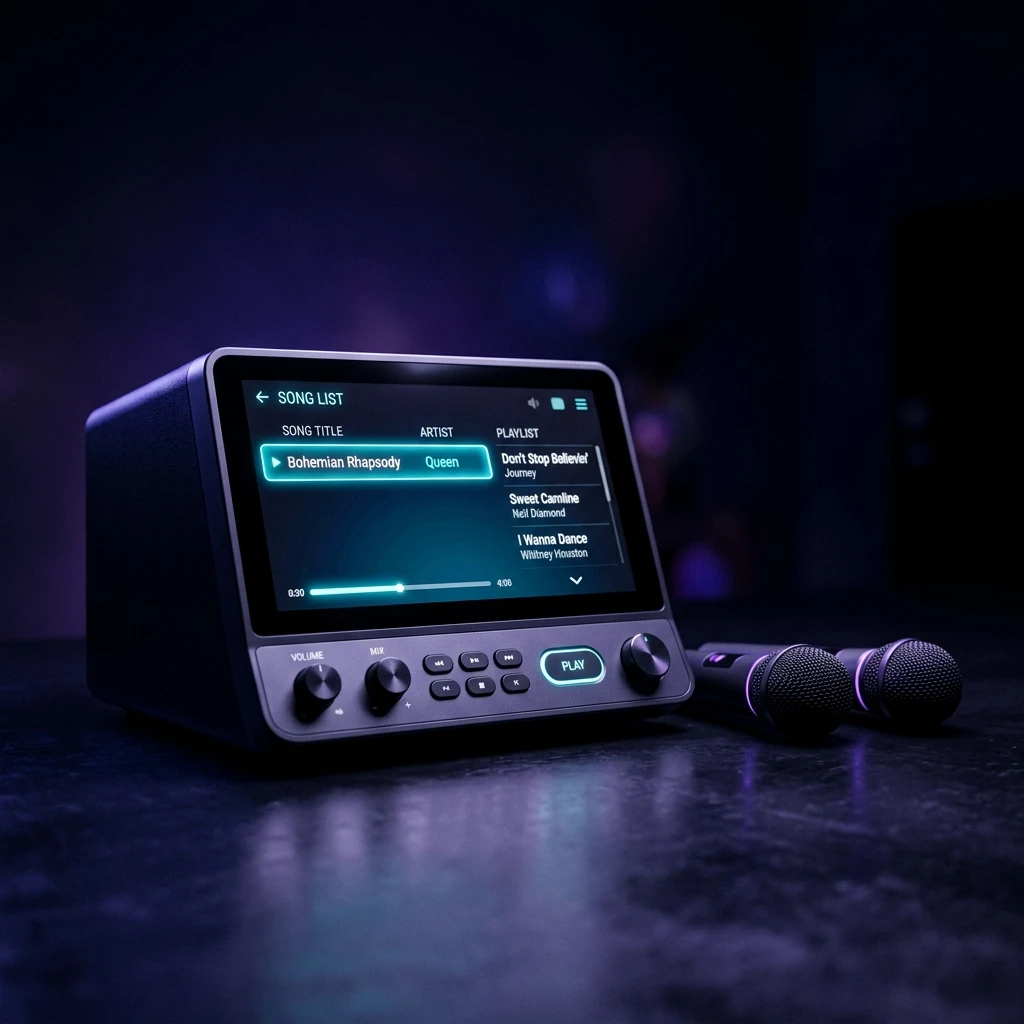
Karaoke Machine:
Expert Reviews,
Buying Guides & Setup
Confused by too many options? Every major karaoke machine researched, specs verified, and picks cross-referenced against trusted independent reviewers — so you don’t have to do any of it yourself.
Plain-language advice. No fluff. Every pick sourced from trusted, verified reviews.
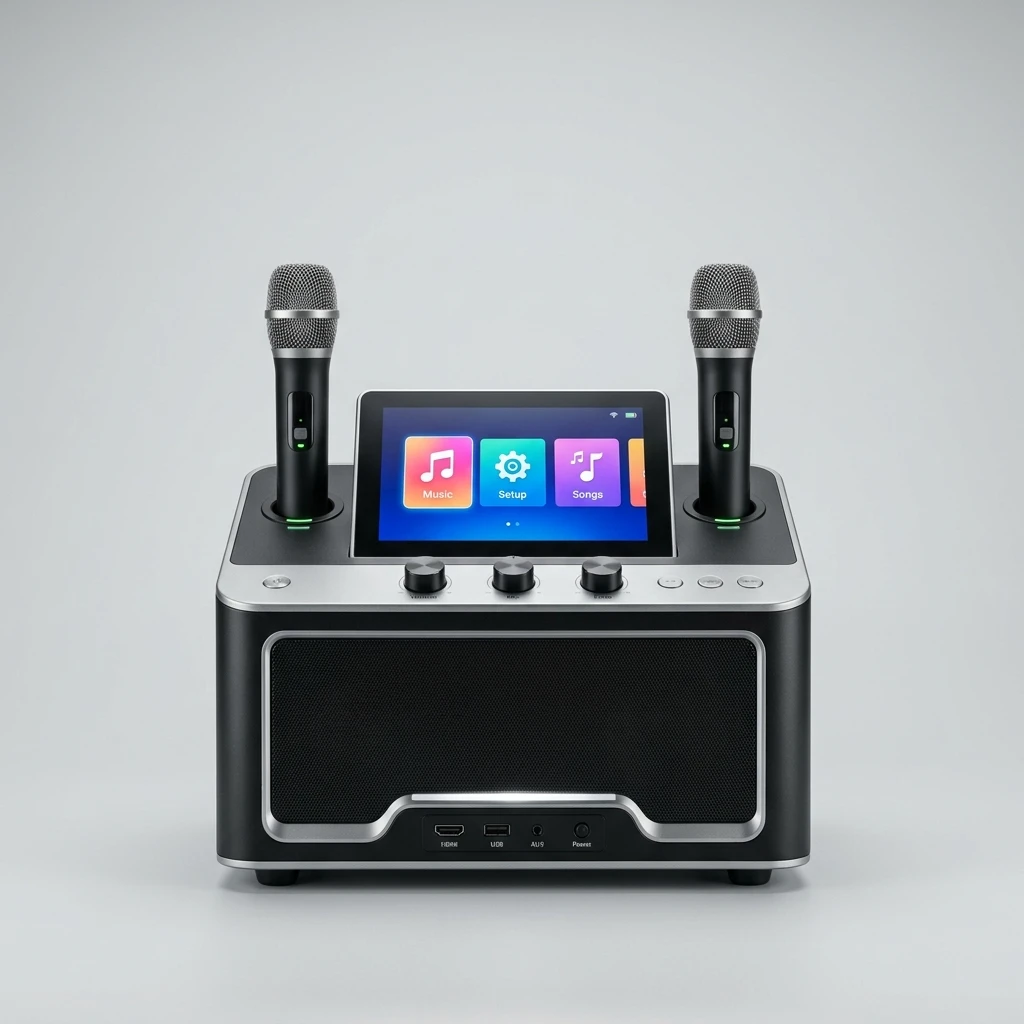
Best Overall
iKarao Shell S2 — 8-inch screen, 140W, self-charging mics
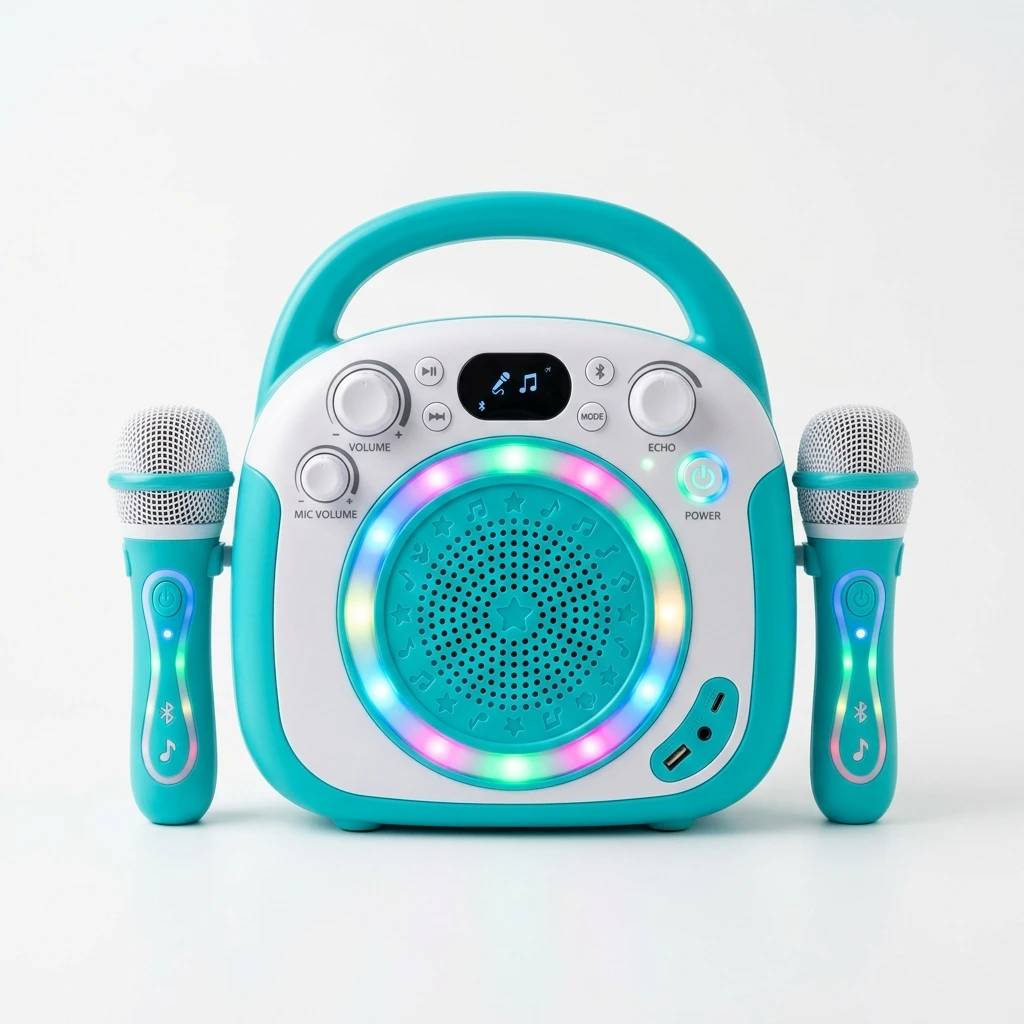
Best for Kids
YLL K1-L — 85 dB cap, drop-resistant, auto-pairing mics, under $70
A Plain-Language Answer Before You Buy Anything
A karaoke machine is an audio device that plays music with vocals removed and displays song lyrics for a singer to follow.
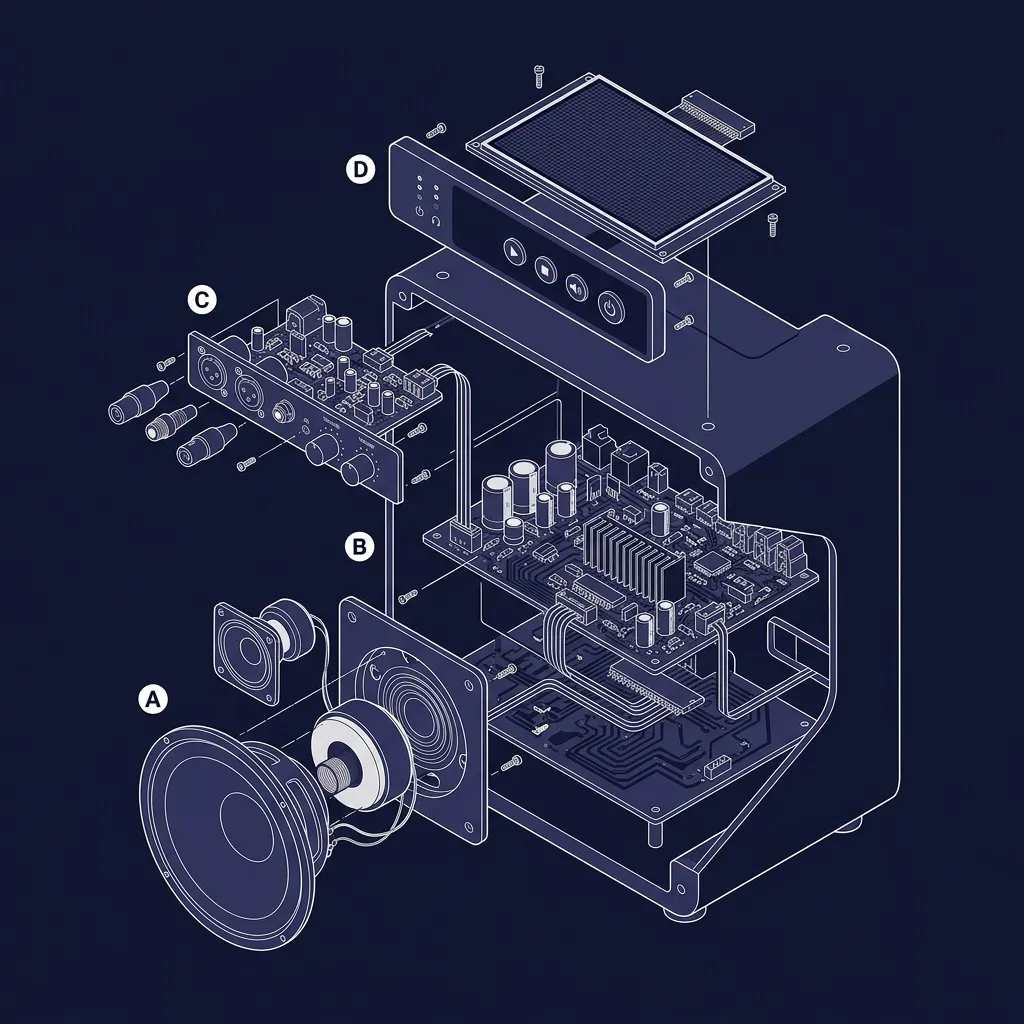
Every unit combines 4 core components: a speaker system, an amplifier, microphone inputs with voice processing (echo, reverb, pitch correction), and an on-screen display — either a built-in touchscreen or HDMI TV connection.
Content reaches the device 3 ways: streaming platforms (KaraFun, Smule, YouTube), CDG discs (CD+Graphics format), or pre-loaded USB files.
Speaker System
Powers the audio output — rated in RMS watts
Amplifier
Drives the speaker — true RMS vs peak rating
Mic Inputs
Voice processing: echo, reverb, pitch correction
Display Screen
Built-in screen or HDMI to your TV
How to use this site:
Already know what you need it for? → jump to Browse by Use Case
Not sure what type exists? → start with Browse by Machine Type
Just want the top recommendations? → go straight to Our Top Picks
Overwhelmed by specs and jargon? → read How to Choose first
Browse by Machine Type
Start here. Getting the type right saves you from buying something that looks great but doesn’t fit how you’ll actually use it.
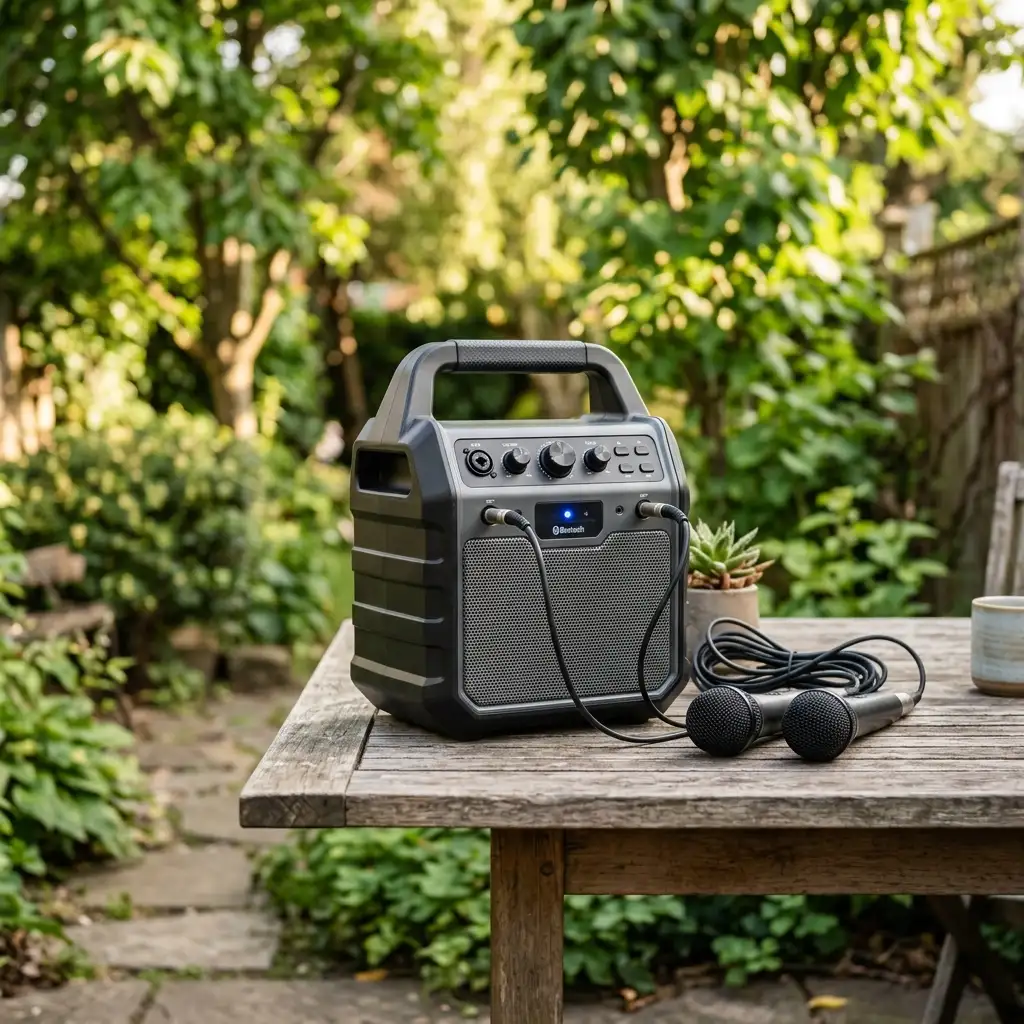
Portable Karaoke Machine
Most popular typeTakes the party wherever you go. Runs on a rechargeable battery (4–10 hours), weighs 5–15 lbs, and connects to any phone over Bluetooth. Perfect for gardens, the beach, camping, or moving between rooms without hunting for a plug.
See portable machines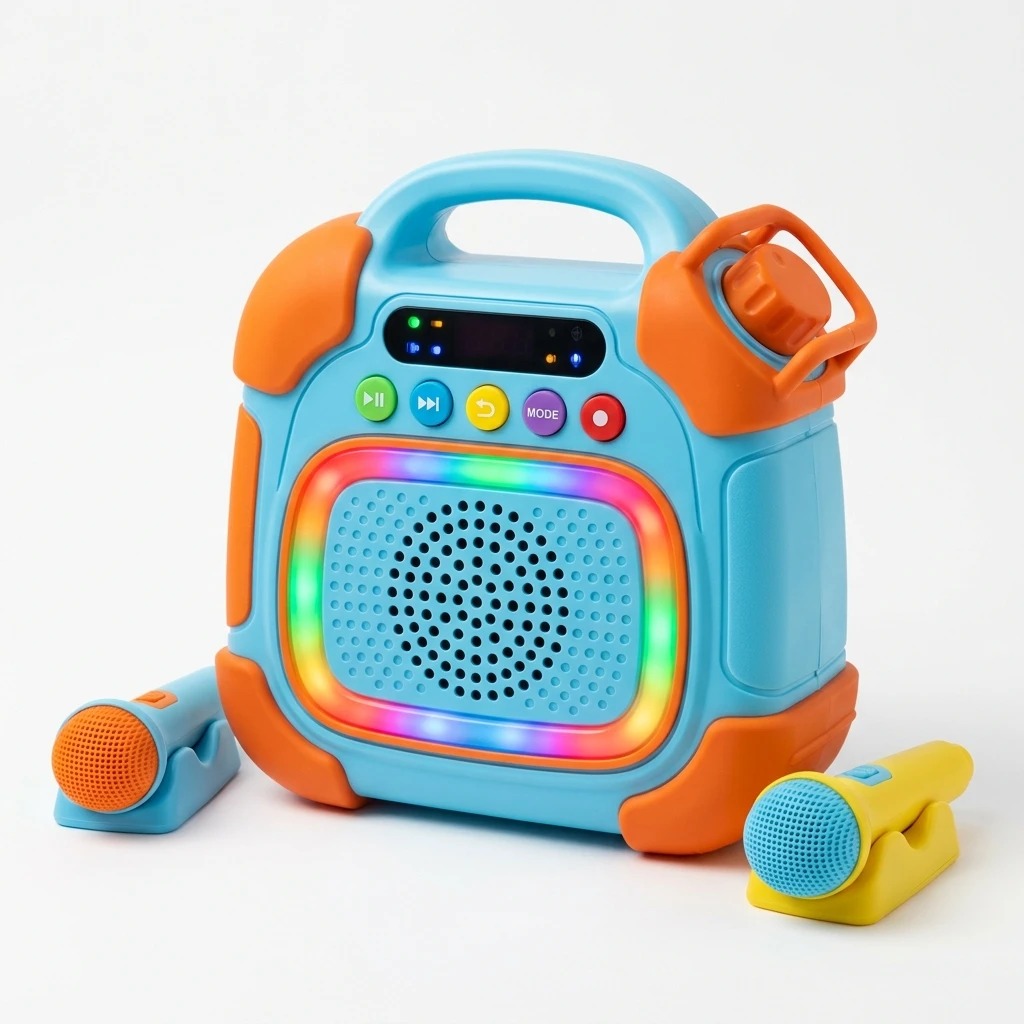
Kids Karaoke Machine
Most important safety featuresBuilt around children’s safety, not just fun. The 85 dB volume cap protects growing ears (recommended by the World Health Organisation). Drop-resistant so it survives the floor. Wireless mics that pair themselves — no technical setup for a 6-year-old.
See kids machines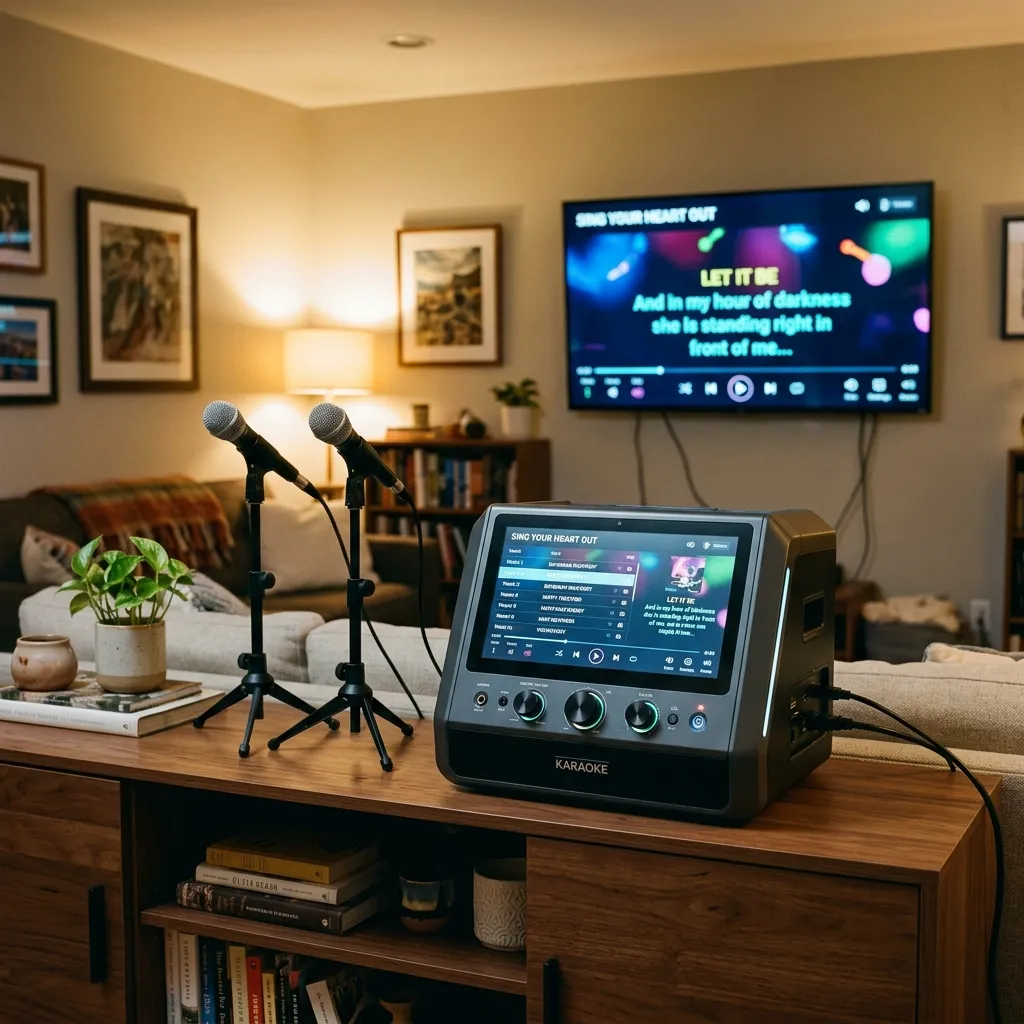
Home Karaoke Machine
Best for living roomsDesigned to stay in one place and perform brilliantly there. Connects to your TV via a single HDMI cable — text on the big screen, sound perfectly in sync. Powerful enough for a full living room, with inputs for multiple microphones when guests come over.
See home machines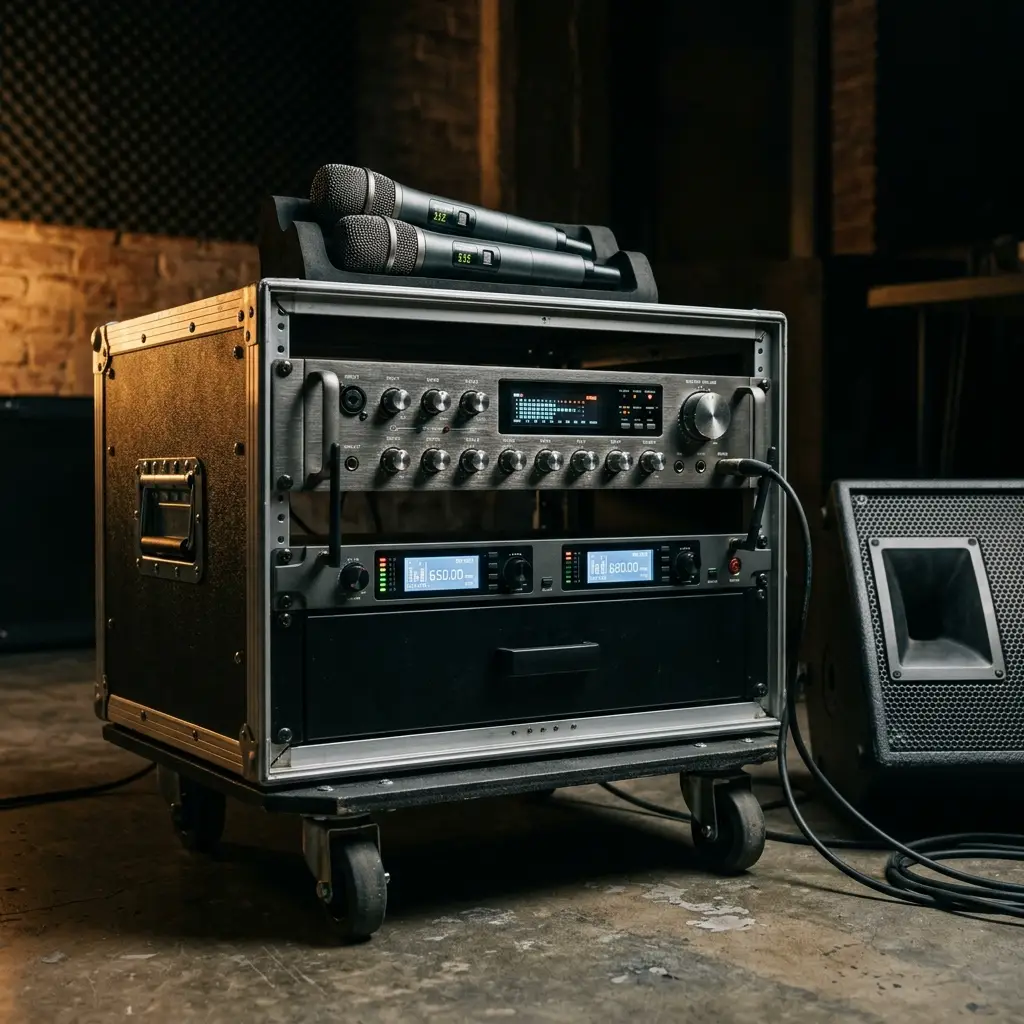
Professional Karaoke Machine
For bars & venuesBuilt for the demands of nightly commercial use. True 200W+ output to fill a bar or event space, UHF wireless mics that don’t cut out when the room is packed with phones, metal construction that survives regular use, and the right licensing for public use.
See professional machines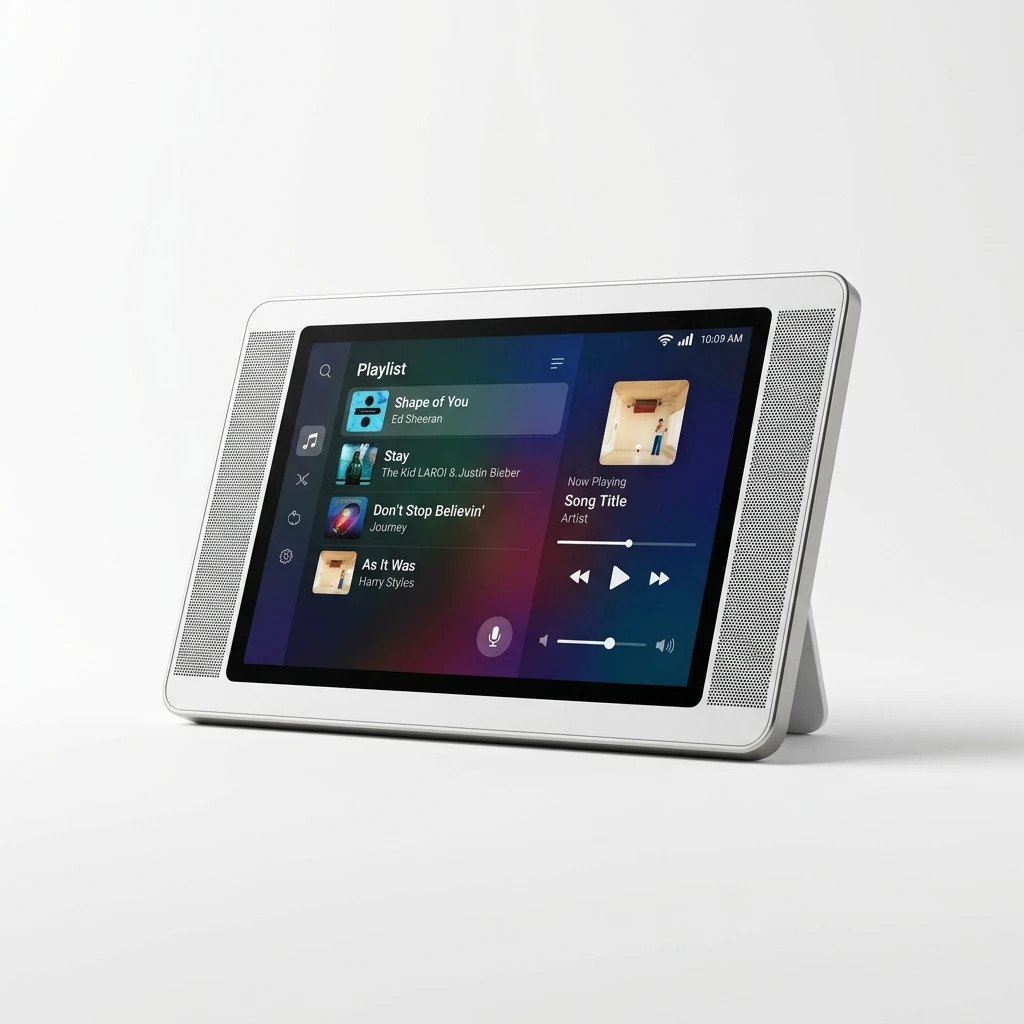
Smart Karaoke Machine with Screen
No discs, no hassleRuns like a tablet, sounds like a speaker. Built-in WiFi streams over 50,000 titles on demand — no buying discs, no managing USB drives. Just search a title and play it. Software updates automatically, so the machine improves the longer you own it.
See smart machinesAnswer one question and you’re done:
Browse by Use Case
The right machine depends almost entirely on how you’ll use it. Pick your situation below.
For Home Parties
Two people need to perform at the same time — that means two wireless microphones as a minimum. The output needs to fill a room without distorting at volume. And the battery needs to survive a full party, not die at 9pm. Most people in this situation spend $100–$250 and leave nothing behind.
Best machines for adults & partiesFor Kids
One feature matters more than anything else: a hardware volume limiter that caps output at 85 dB. Above that level, regular exposure causes permanent hearing damage in children — and most cheap machines have no cap at all. After that, buy for durability (they will drop it) and simplicity (they shouldn’t need to manually pair a microphone).
Best karaoke machines for kidsFor a Permanent Home Setup
Your first decision is whether you want the display on the machine’s own screen or on your TV. A built-in screen means freedom to move; your TV gives you a 32–75 inch display. Wattage matters here — 50–140W is enough for most living rooms. Buy a machine that accepts both wireless and wired microphones so you can add more without replacing it.
Best home karaoke machinesFor Professional & Commercial Use
The biggest trap in this category is “peak watts” vs real power. A machine rated at 300W peak typically delivers 75–150W of actual continuous output — not enough to fill a bar. Only trust RMS ratings. The other non-negotiable: UHF wireless microphones. In a room where 50 people have their Bluetooth on, 2.4GHz mics will drop out. UHF won’t.
Best professional machinesHow to Choose the Right Karaoke Machine
Answer these four questions and you’ll know exactly what to look for — before you see a single product listing.
Who is using it and where?
A machine for a child needs a volume limiter. A machine for a party needs 100W+ output and two wireless mics. These two needs are very different.
Does it need to move or stay put?
Battery-powered machines sacrifice wattage to save weight. If you need to take it outside or between rooms, go portable. If it lives in one spot, buy for power.
How will you get content onto it?
Smart machines stream over 50,000 titles from apps — nothing to buy or manage. Traditional machines need CDG discs or USB drives loaded with files. Smart is easier; traditional is cheaper upfront.
Do you need to move around while performing?
Wireless mics let you move freely — great for parties and kids. Wired mics have no battery to worry about and zero signal dropout — better for a fixed home setup where movement doesn’t matter.
What your money actually buys you
Our Top Picks
Picks sourced from Rolling Stone (December 2026), Consumer Reports (September 2026), and Thirstybear (April 2026) — all three independent sources agree on the top recommendations.
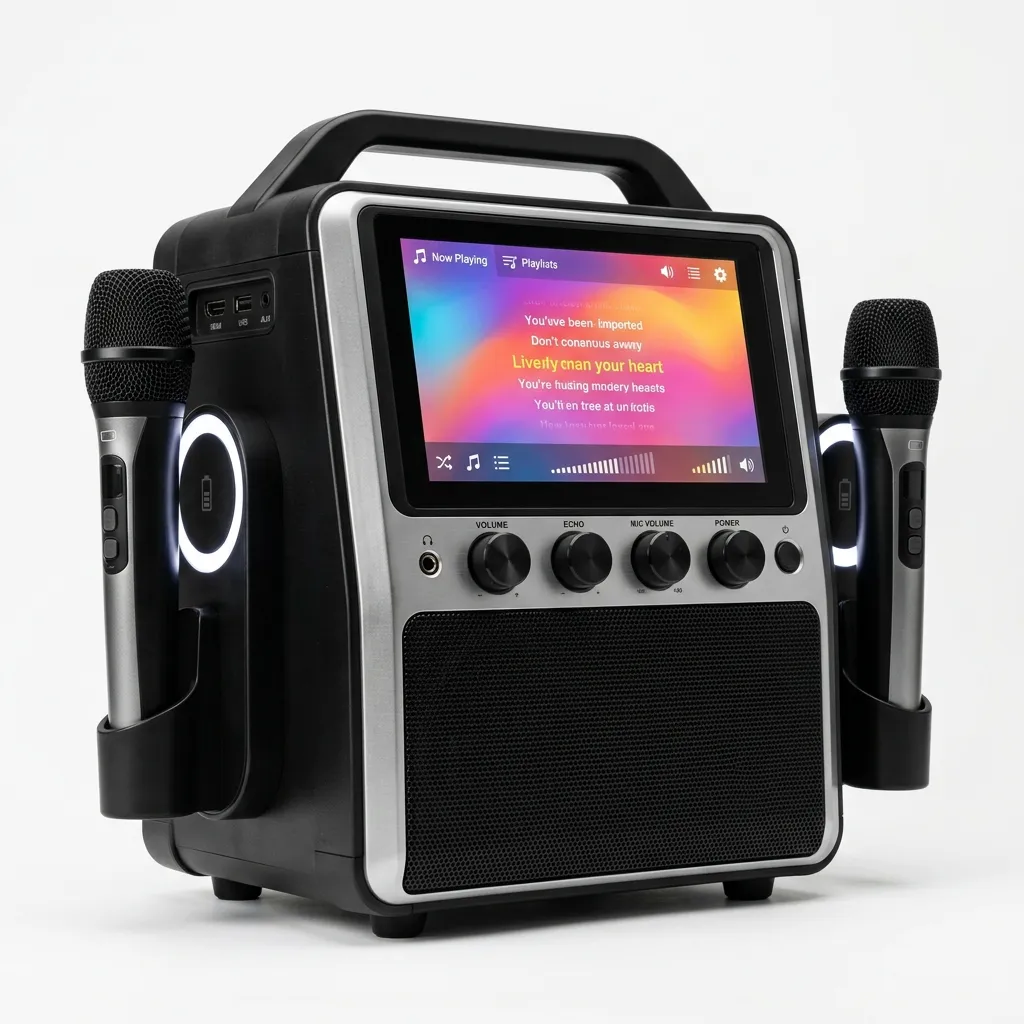
Best Karaoke Machine Overall — iKarao Shell S2
Self-charging wireless mics (30-hour mic battery — they charge in the machine’s built-in slot), and a 6-month KaraFun subscription giving access to 50,000+ licensed titles. Runs Android with WiFi and Bluetooth 5.3, so the machine updates itself over time. The all-round package no current competitor matches at this price.
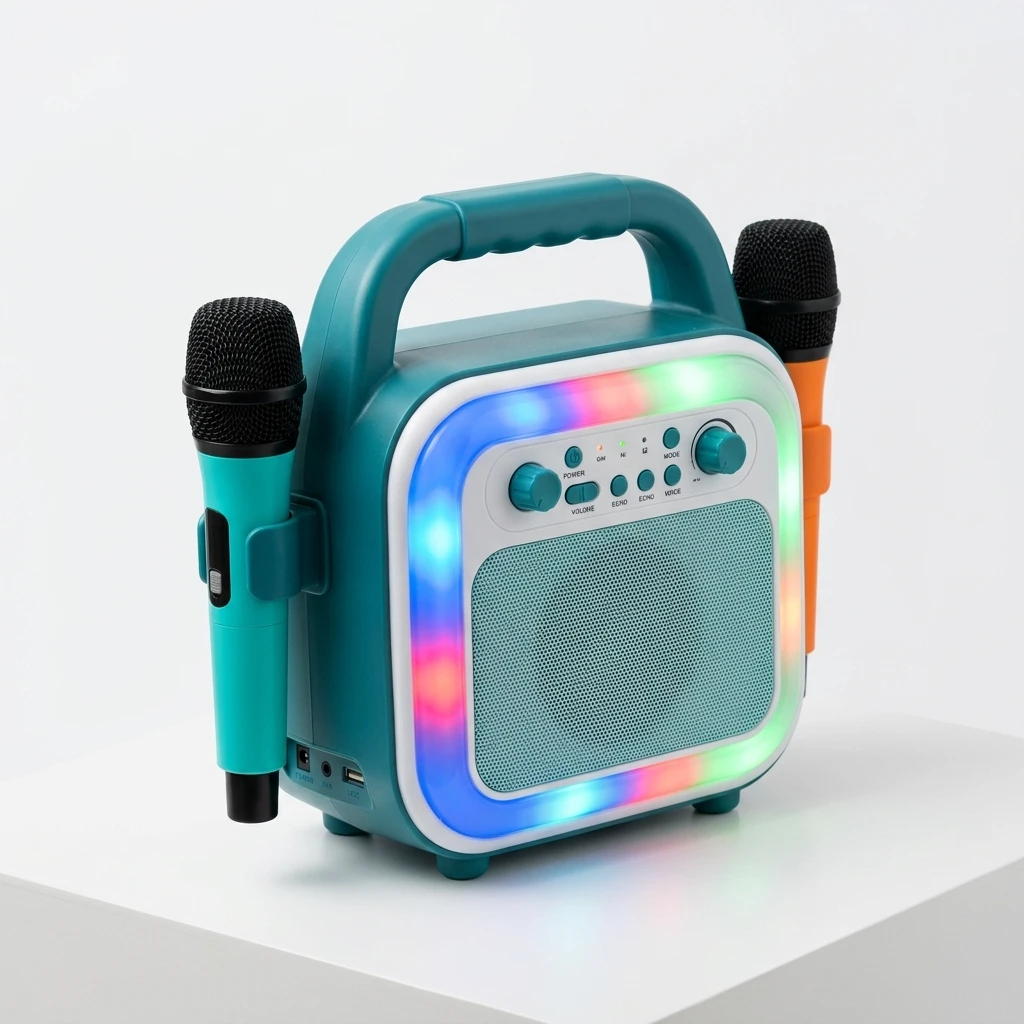
Best Karaoke Machine for Kids — YLL K1-L
Wireless microphones that pair automatically on power-on, 4–6 hour rechargeable battery, and a volume limiter capped at 85 dB to protect children’s hearing. Voice effects (echo + pitch shift), drop-resistant housing, and Bluetooth streaming from parent devices. No compromises on the features that actually matter for kids.
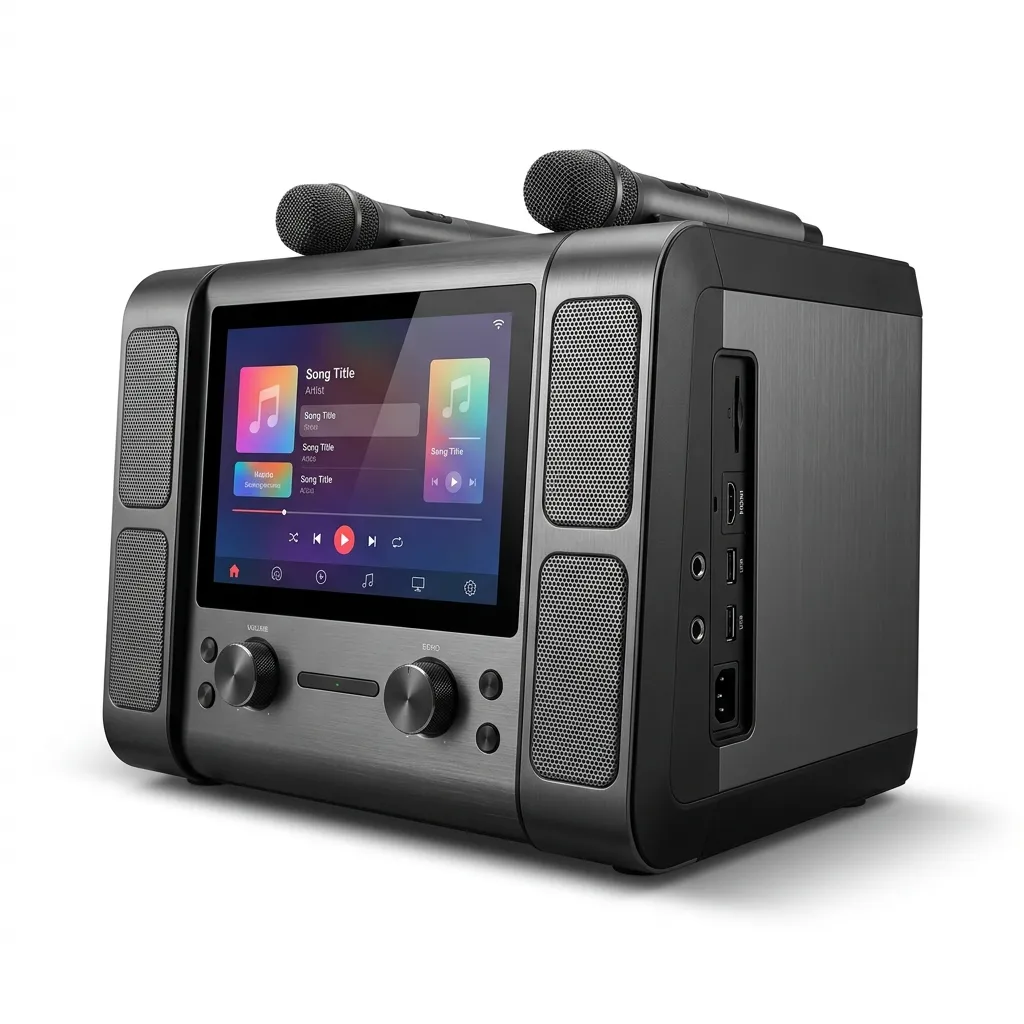
Best Home Karaoke Machine — iKarao Shell S1
280W peak output (140W RMS), HDMI ARC TV connection with automatic display sync, and KaraFun Prime with offline content downloads — works without internet. Accepts wired and wireless microphones simultaneously, so up to 4 people can perform at once. The top-rated permanent home setup across independent reviewers.
How these picks are sourced
Every recommendation is cross-referenced across at least 3 independent sources before being included. Primary sources: Rolling Stone electronics team (December 2026), Consumer Reports product testing lab (September 2026), and Thirstybear independent tech review (April 2026). Manufacturer-published specs are verified before any claim is made about wattage, range, or battery life.
The 6 Brands Worth Your Attention
Brand choice affects what titles you can access, how good the microphones are, and whether the machine will still receive support in two years. Here’s what independent reviewers and verified buyers say about each one.
The name is confusing because “singing machine” is both a generic description and an actual brand — the guide explains the difference. Their lineup covers kids through to adult home parties, and the Ultimate Party System is one of the best-value dual-mic machines you can buy.
See the full guideJBL makes excellent speakers. Their karaoke machines are essentially party speakers with a microphone input added — which means the sound is outstanding, but you trade off some features specific to karaoke. If sound quality is your top priority and features matter less, JBL is the choice.
See the full guideThe only brand that treats a karaoke machine like a smart product. Android OS, WiFi, software updates, and a streaming library — the machine you buy today is better a year from now because of updates. The Shell S2 is our top pick overall. Across independent reviewers, iKarao is consistently the only brand doing the smart platform well enough to recommend.
See the full guideTonor built the K20 around one thing: wireless microphone quality. Dual UHF mics, 100-foot range, 4-hour battery in the mics themselves. Thirstybear reviewed it at a 50-person outdoor event in April 2026 — microphones maintained range and clarity throughout. At $100–$150, it’s the strongest value for outdoor or party use.
See the full guideJYX makes solid all-in-one machines in the $100–$250 range. They’re not as flashy as iKarao or as well-known as Singing Machine, but their wireless microphone quality at this price is genuinely competitive. The PA9Plus has UHF mics, which puts it a step above most machines in this tier.
See the full guideVocoPro makes systems for commercial karaoke operators — bars, venues, hire companies. Their machines use professional audio connectors (XLR), multi-channel mixing, and can be configured as separate components rather than one box. Serious kit for serious use. For home use, it’s both overkill and unnecessary.
See the full guideSetup & Connection Guides
The machine is only half the job. Here’s how to connect it so everything works the first time — on-screen text perfectly timed, mics that don’t cut out.
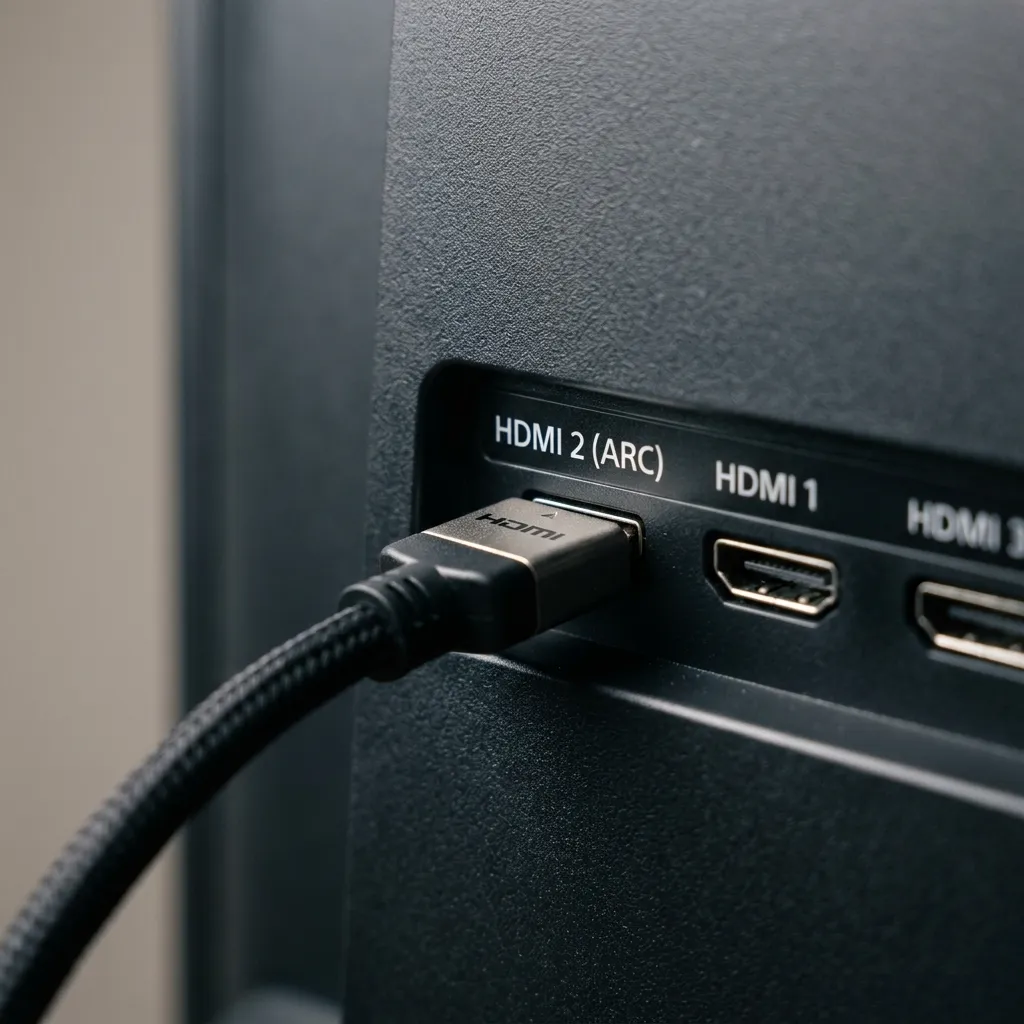
How to Connect a Karaoke Machine to a TV
There are 4 ways to connect a karaoke machine to a TV. Only one of them gives you perfect picture-and-sound sync with no fiddling. The full guide covers all four with step-by-step instructions for each.
Why HDMI ARC beats everything else
One cable handles both picture and sound, and they sync automatically. With RCA cables, there’s a 100–300ms delay that makes the on-screen text visibly out of time with what you’re hearing. HDMI ARC eliminates that entirely. If your TV was made after 2018, use it.
HDMI Connection: Complete Guide
HDMI ARC and standard HDMI look identical but behave differently. HDMI ARC carries video to the TV and audio return back to the machine — everything syncs automatically. Standard HDMI carries video only.
How to find the ARC port on your TV
Look for a port labelled “HDMI ARC” or “HDMI 1 (ARC)”. On most Samsung, LG, and Sony TVs it’s the port closest to the audio output. If your TV has multiple HDMI ports, only one of them is ARC.
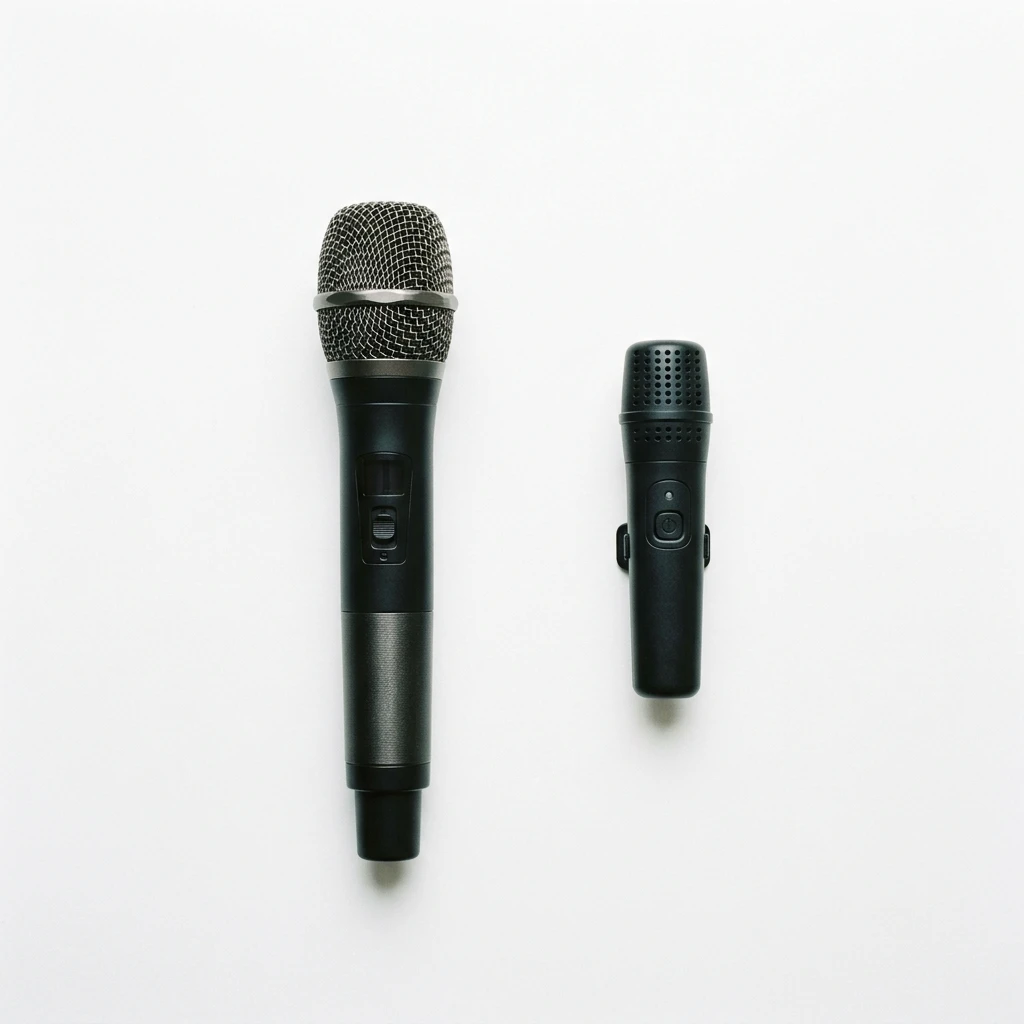
Microphone Setup: Wired, Wireless & Pairing
Wireless microphones use either 2.4GHz (auto-pairs, 30–50ft, can drop out in busy environments) or UHF (manual pairing, 100–300ft, interference-resistant).
2.4GHz vs UHF — which do you need?
2.4GHz auto-pairs and works perfectly at home. But in a busy environment — a party, an outdoor event, anywhere with lots of Bluetooth devices — the signal gets congested and the mic cuts out. UHF operates on a different frequency band, doesn’t suffer from congestion, and works reliably at 100 feet or more.
Guides, Comparisons & Research
Answers to every question you’ll have before and after buying.
Karaoke Machine Rental: Cost, What’s Included & Where to Find One
If you only need a karaoke machine for one party, birthday, or event — buying doesn’t make sense. This guide covers exactly what a rental includes, what it costs in different cities, how to find a reputable AV company near you, and how to decide whether to rent or buy based on how often you’ll actually use it.
Read the rental guideHow Much Does a Karaoke Machine Cost? Full Price Range Explained
Most price comparison articles tell you what’s in each tier. This one tells you where the real quality jumps happen, and what costs most buyers miss — ongoing subscriptions, replacement discs, and the accessories that suddenly become necessary after unboxing.
Read the cost guideSmart Karaoke Machine vs Traditional: Is the Price Premium Worth It?
Is the jump to a smart Android machine worth the extra $100–$200? This comparison runs through every dimension where smart machines differ from traditional ones — including the long-term advantages most short-term reviews don’t mention.
Read the comparisonWired vs Wireless Karaoke Microphone: What’s the Real Difference?
Wireless sounds convenient, but wired has real advantages. This guide covers audio quality, dropout risk, battery logistics, and range — and lists exactly which machines include wireless mics in the box vs which quietly require you to buy them separately.
Read the guideFilipino Karaoke: Why Asian Karaoke Machines Work Differently
Why does every Filipino home have a karaoke machine? Why do Korean karaoke rooms work so differently from what you’d buy on Amazon? This guide explains the cultural history and practical hardware differences — useful if you need multilingual content libraries or Asian-market machines.
Read the guideKaraoke Machine vs App: Do You Actually Need Hardware?
Before you spend $200 on hardware, it’s worth asking: can an app do the same job for free? Honest answer — sometimes yes, usually no. This comparison covers sound quality, latency, content library, group dynamics, and long-term cost so you can decide for yourself.
Read the comparisonWhy Use This Site?
Most karaoke machine roundups test 3–4 machines over a weekend and call it a review. This site covers only karaoke machines — nothing else. Every recommendation is researched from independent reviewers, manufacturer specifications, and verified buyer data.
5 machine types explained properly — with the specific hardware attributes that separate them, not just vague labels like “portable” or “home” that mean nothing without context.
All 6 brands covered honestly — including the genuine trade-offs. JBL sounds great but isn’t built for karaoke. iKarao’s smart platform is exceptional but costs more. This site says that plainly.
Recommendations cross-referenced across 3+ sources: Rolling Stone, Consumer Reports, and Thirstybear — not a single opinion or a manufacturer press release.
Every spec is explained, not just listed. The 85 dB WHO threshold is in every kids recommendation — with the reason behind it, not just a number to compare.
Setup guides that go deeper than the manual — explaining HDMI ARC vs standard HDMI, why UHF beats 2.4GHz in crowded environments, and brand-specific pairing steps you won’t find in the box.
Frequently Asked Questions
What is the best karaoke machine overall?
The Best Karaoke Machine Overall — iKarao Shell S2 is the best karaoke machine for most buyers. It has an 8-inch touchscreen, 140W output, self-charging wireless mics, and includes a 6-month KaraFun subscription giving access to 50,000+ titles. Ranked #1 by Rolling Stone (December 2026), Consumer Reports (September 2026), and Thirstybear (April 2026).
How much does a karaoke machine cost?
Karaoke machines range from $20 for basic kids models to $400+ for smart screen-equipped machines. Most home and party buyers spend $100–$250 and get dual wireless mics, good Bluetooth, and a solid battery. See the full breakdown: how much does a karaoke machine cost.
Do karaoke machines come with songs?
It depends on the type of machine. Smart machines like iKarao stream titles through apps (KaraFun, Smule). Traditional machines use CDG discs or pre-loaded built-in libraries. Most modern machines also connect to YouTube karaoke videos via Bluetooth — free, with no subscription needed.
What is the best karaoke machine for kids?
The Best Karaoke Machine for Kids — YLL K1-L is our top pick for kids. It has 2 auto-pairing wireless mics, a 4–6 hour rechargeable battery, a volume limiter capped at 85 dB (the WHO safe threshold), voice effects, and a drop-resistant housing — all for under $70. Designed for ages 6+.
Can you connect a karaoke machine to a TV?
Yes. The best method is HDMI ARC — a single cable that handles both picture and sound automatically, and eliminates the audio sync delay you get with older connections. Most TVs made after 2018 have an HDMI ARC port. You can also use RCA composite cables (older TVs) or Bluetooth (audio only, no screen output). Full guide: how to connect a karaoke machine to your TV.
What is a smart karaoke machine?
A smart karaoke machine runs an Android operating system with WiFi, which means it connects to karaoke streaming services, receives software updates, and runs apps — just like a tablet. The built-in touchscreen shows on-screen text without needing a TV. iKarao is the leading smart karaoke brand; their Shell S1 and S2 both come with a 6-month KaraFun subscription bundled in.